
Part 1: The Nigerian Chaos and the State of Nigerian Museums
It is both intriguing and timely that two significant articles were published between October and December 2020, shedding light on the issues surrounding Nigerian art objects and museums. In October 2020, Dr. Lutz Mükke and Adie Vanessa Offiong sparked a renewed discussion on the “illicit trade in West Africa’s oldest artwork,” specifically addressing the problems related to the Nok culture artifacts. Over the years, German archaeologists have conducted unrestricted archaeological excavations in the Nok Valley, aided by art dealers who sell African art objects and provide tips for unsupervised excavations. Consequently, there has been a surge in Nok cultural objects in foreign museums, primarily driven by the unsupervised export of Nok terracottas.
While the art and academic communities lament the Nok situation, it is crucial to delve into the root causes. What is Nigeria’s responsibility in sustaining the museums that should house these invaluable objects? Why are the borders so porous, allowing the transport of antiquities without proper accountability? While the latter question requires further exploration, this article focuses on the state of Nigerian museums, their impact on cultural objects, and potential solutions.
In December 2020, Dr. Kwame Opoku published an article titled “Is the British Museum Outmaneuvering Nigeria?” This piece sheds light on the existing challenges faced by the Nok culture, similar to those encountered by the Benin Kingdom. Since the 1897 British expedition in Benin, numerous Benin artifacts have been looted and transported abroad, with approximately 900 of them now residing in the British Museum and countless others held illegally in various museums worldwide. Nigerian museums, in contrast, possess only a fraction of their cultural identity. Instead of taking responsibility for the return of these artifacts, the British Museum decided to sponsor a $4,000,000 excavation project in Benin, with the aim of uncovering more Benin art objects and setting the stage for the proposed Benin museum. Additionally, the British Museum plans to loan Benin artifacts to Benin museums for three years, after which they will be returned. Critics and scholars have expressed concerns over this approach, viewing it as an attempt to acquire more Benin artifacts while perpetuating a nostalgic colonial encumbrance akin to the extensive 19th-century punitive expeditions.
While the funds raised by the British Museum can undoubtedly be beneficial in several ways, it fails to address the underlying issues of artifact looting, as seen in the case of Nok, and the refusal to complexities of instituting art objects, as evident in Benin. Nigeria, as a nation, has failed to uphold the material expressions of its national and cultural identity. It is unthinkable for the British Museum, or any other institution, to provide $4,000,000 to a country like the United States to organize an archaeological project and temporarily loan its cultural properties to its owner. This discrepancy highlights Nigeria’s ineptitude in handling its cultural resources. The Ford Foundation case of 2011 serves as a stark example where the foundation suspended a $2,000,000 donation intended for the remodeling of the National Museum in Lagos due to the government’s failure to provide $1,200,000 in counterpart funding. It is both shameful and absurd that the Nigerian government could not match the foundation’s contribution, ultimately resulting in losing funding to Mali.
To ensure the prosperity of museums in Nigeria, there is a pressing need for adequate funding or the establishment of private museums that can operate independently of the Nigerian Chaos. Banks in Nigeria function effectively because they are not reliant on the government for their operational needs. Similarly, private universities in the country operate smoothly, free from the strikes that often plague federal or state universities, as they do not rely on government funds. These institutions generate their own power through large generators and have access to funds for research and well-equipped laboratories. Their self-sufficiency and independence from the Nigerian Chaos have propelled them to international recognition. In contrast, federal and state universities lack the necessary resources for advancing knowledge and scholarship. The same applies to Nigerian national museums, which struggle to meet international standards due to the pervasive influence of the Nigerian Chaos. Insufficient power supply, lack of funds for preservation and conservation, inadequate security measures, and delayed payments to employees are just a few of the challenges these museums face.
Part 2: The Case of Ijebu and the Dilemma of Returned Artifacts
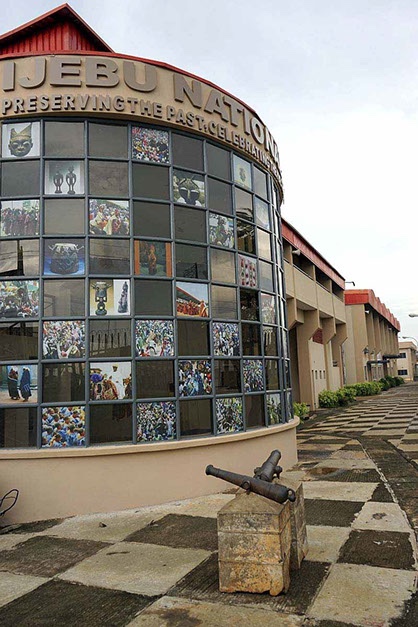
In the realm of Nigerian museums, a glimmer of hope can be found in the Ijebu region. As part of my doctoral dissertation, I had the honor of directing the Ijebu-Ode archaeological project, which included the first systematic excavation in Ijebu-Ode, the capital of the Ijebu kingdom. This excavation yielded a wealth of cultural objects that require a well-functioning museum for their conservation, display, and exhibition. In Ijebu-Ode, there are three notable museums: the Kuku House Museum, which was once the residence of Portuguese and foreign merchants; the Oba Adesimbo Tunwase Museum; and the Ijebu “national” museum.
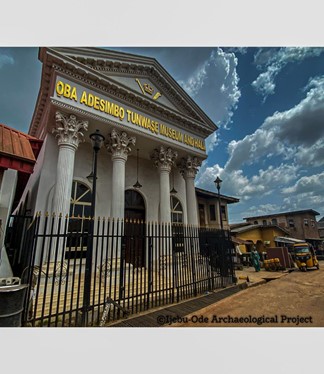
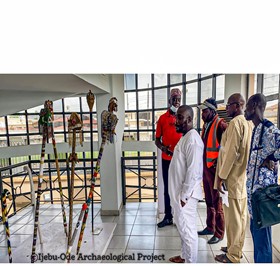
During my interactions with Dr. Sonny Kuku, the head of the Kuku House family, I was impressed by the vast collection of cultural materials preserved within the house museum. The Tunwase Museum, a burial museum built by Otunba Subomi Balogun, the founder of First City Monument Bank, in honor of the Ijebu Monarch, Oba Adesimbo Tunwase (1886-1895), also stands as a commendable example. The museum’s operations, overseen by Curator Professor Bankole Okuwa, are characterized by a lack of the Nigerian Chaos. The museum maintains a consistent air-conditioned environment, has dedicated security personnel, and ensures the meticulous upkeep of burial spaces. While this serves as a testament to their commitment to preserving Ijebu history, it does not absolve the need for external support to sustain and equip the Ijebu “national” museum to house repatriated art objects effectively.
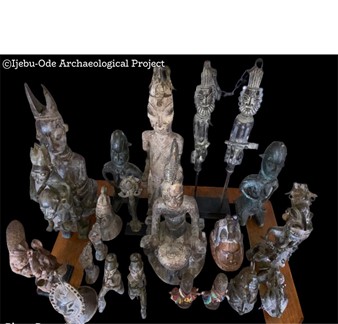
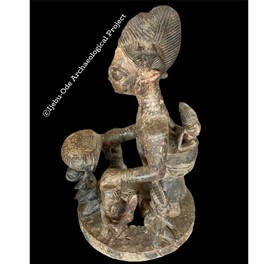
Contrary to popular belief, Ijebu is not an example of hope in isolation. The challenges faced by Ijebu in preserving returned artifacts within the palace underscore the pervasive influence of the Nigerian Chaos. The repatriated artifacts, valued at over $1,000,000, should be the catalyst for positive change, but their current state paints a disheartening picture. The bronzes are corroding rapidly, their surfaces scratching against each other as they are haphazardly piled up. The carved wooden objects are losing their structural integrity, and layers of dust gather at the bottom of sacks alongside the hollow spaces of bronze bells. Tragically, within one of the bronze objects, a lifeless mouse serves as a grim reminder of the inhospitable conditions and lack of proper preservation measures. Such conditions are far from ideal for the cultural heritage we seek to reclaim, whether through repatriation or excavation.
The Ijebu experience highlights that even if the issues surrounding Benin and Nok are adequately addressed, the Nigerian Chaos remains a formidable obstacle. While some of the Ijebu artifacts looted since the 1892 British expedition have been restituted, the lack of security infrastructure within the Ijebu “national” museum has resulted in inadequate preservation efforts. This revelation underscores the need for a comprehensive solution that extends beyond individual regions and museums.
It is evident that the Nigerian government must take a proactive role in addressing the challenges faced by museums nationwide. The Nigerian Chaos permeates various sectors, and its impact on museums is undeniable. It is insufficient to rely solely on the efforts of private individuals, like in the case of Ijebu, who have displayed commendable initiatives in establishing the Ijebu “national” museum. However, sustaining and equipping these museums requires external support. This reality holds true not only for Ijebu but for all of Nigeria and Africa as a whole.



Part 3: Beyond the Nigerian Chaos – A Call for Structural Reforms
To overcome the pervasive influence of the Nigerian Chaos and propel Nigerian museums toward a more promising future, we must look beyond the existing framework and embrace structural reforms. Drawing inspiration from the success stories of private universities and banks, we can chart a new course for the museum sector.
Private universities in Nigeria serve as examples of institutions that thrive independently of the Nigerian Chaos. They do not rely on the government for funding and amenities, enabling them to provide a conducive environment for learning and research. Likewise, banks operate efficiently by generating their own power and ensuring uninterrupted services. By adopting similar principles, Nigerian museums can break free from the constraints imposed by the Nigerian Chaos.
One crucial aspect that must be addressed is funding. Adequate financial resources must be allocated to museums to support their operations, maintenance, and preservation efforts. The Nigerian government, in collaboration with international organizations and private donors, should establish sustainable funding mechanisms specifically designed for museums. This financial support will ensure that museums can hire trained professionals, provide 24/7 security, maintain suitable environmental conditions, and implement proper conservation practices.
Furthermore, there is a pressing need to empower museums with autonomy and flexibility in decision-making. This includes the ability to develop their own research programs, curate exhibitions, and engage in international collaborations. By granting museums greater independence, they can actively contribute to the preservation and promotion of Nigeria’s cultural heritage.
Another critical aspect is capacity building. Museums must invest in the training and development of their staff members, equipping them with the necessary skills and knowledge in collection management, conservation techniques, exhibition design, and visitor engagement. This investment in human capital will enhance the professionalism and expertise within the museum sector, ensuring the proper care and presentation of cultural artifacts.
Collaboration and partnerships are vital for the sustainable growth of museums. Museums should actively engage with local communities, academic institutions, and international organizations to foster knowledge exchange, research collaborations, and shared initiatives. This collaborative approach will enrich museum programs, broaden perspectives, and create a sense of ownership among diverse stakeholders.
In addition to internal reforms, it is imperative to address the legal and policy framework surrounding museums. A comprehensive and robust legal framework should be established to govern the acquisition, repatriation, and protection of cultural artifacts. This framework should outline clear guidelines for provenance research, ethical considerations, and the restitution of looted or illegally acquired objects. By enacting strong laws and regulations, Nigeria can send a powerful message that it values its cultural heritage and is committed to its preservation.
Public awareness and appreciation of Nigerian museums and their role in preserving cultural heritage need to be cultivated. Education campaigns, outreach programs, and interactive exhibitions should be developed to engage the public and instill a sense of pride and ownership in Nigeria’s cultural legacy. By nurturing a culture of museum patronage and promoting cultural tourism, museums can become vibrant spaces that connect people with their history and heritage.
The Nigerian Chaos has severely impacted the state of Nigerian museums, hindering their ability to preserve, exhibit, and protect cultural artifacts. However, there is hope for a brighter future. By learning from the successes of private universities and banks, we can reimagine the museum sector and create a sustainable ecosystem that transcends the limitations imposed by the Nigerian Chaos. Structural reforms, adequate funding, capacity building, collaboration, and a robust legal framework are all vital components of this transformative journey. With concerted efforts from the government, private entities, and the public, Nigerian museums can reclaim their rightful place as custodians of the nation’s rich cultural heritage.



Part 4: Embracing Change for a Resilient Museum Sector
To bring about lasting change in the Nigerian museum sector, a paradigm shift is necessary. We must move away from the traditional approach and embrace innovative strategies that adapt to the realities of the Nigerian Chaos. Here are some key recommendations to propel Nigerian museums toward a resilient and thriving future.
- Public-Private Partnerships: Encouraging collaborations between the government, private sector, and philanthropic organizations can generate substantial resources for museum development. This can take the form of corporate sponsorships, endowments, grants, and philanthropic contributions aimed at bolstering the financial capacity of museums. By fostering these partnerships, museums can access expertise, technology, and financial support to enhance their operations and create sustainable revenue streams.
- Digital Transformation: Embracing digital technologies is vital for museums to expand their reach and engage with a broader audience. Digital platforms can facilitate virtual exhibitions, online collections, and interactive experiences that transcend physical boundaries. This approach allows museums to connect with global audiences, promote cultural exchange, and generate revenue through digital initiatives such as virtual tours, educational programs, and e-commerce platforms for merchandise inspired by museum collections.
- Cultural Tourism: Recognizing the potential of cultural tourism as a catalyst for museum growth is crucial. Nigerian museums can collaborate with the tourism industry to develop curated heritage routes, cultural festivals, and immersive experiences that highlight the unique cultural assets of different regions. By integrating museums into the broader tourism ecosystem, museums can attract visitors, stimulate local economies, and generate revenue to support their operations and development.
- International Collaboration: Engaging in international collaborations and partnerships can bring immense benefits to Nigerian museums. This includes collaborations with foreign museums, cultural institutions, and experts for joint exhibitions, research projects, and knowledge-sharing initiatives. International collaborations foster cultural diplomacy, promote Nigeria’s heritage on a global stage, and facilitate the repatriation of looted artifacts through diplomatic channels.
- Education and Research: Investing in education and research within the museum sector is vital to building institutional capacity and fostering intellectual growth. Museums should establish research departments, forge partnerships with universities, and provide scholarships and fellowships to nurture a new generation of museum professionals. By encouraging research, museums can contribute to academic discourse, produce scholarly publications, and enrich our understanding of Nigeria’s cultural heritage.
- Community Engagement: Nigerian museums must actively engage with local communities to ensure their relevance and sustainability. This involves developing outreach programs, organizing community exhibitions, and involving community members in museum activities and decision-making processes. By fostering a sense of ownership and inclusivity, museums can become integral parts of community life, attracting support and fostering a deeper appreciation for cultural heritage.
- Advocacy and Awareness: Strong advocacy efforts are needed to raise public awareness about the importance of museums and the threats they face. Museums, cultural organizations, and civil society groups should collaborate to educate the public, policymakers, and stakeholders about the significance of preserving cultural artifacts and the need for robust support for museums. Advocacy campaigns can help mobilize resources, influence policy decisions, and garner public support for the development and sustainability of Nigerian museums.
By implementing these recommendations and embracing a culture of innovation and adaptability, Nigerian museums can transcend the limitations imposed by the Nigerian Chaos. They can become vibrant cultural institutions that celebrate Nigeria’s rich heritage, foster national pride, and contribute to social and economic development. The path ahead may be challenging, but with determination, collaboration, and visionary leadership, Nigerian museums can redefine their role and create a legacy for generations to come.
Part 5: A Call for National Commitment and International Solidarity
The transformation of Nigerian museums requires a collective effort on a national and international level. It is essential for the Nigerian government to recognize the importance of cultural heritage and prioritize the development and preservation of museums. Adequate funding, infrastructure, and policies must be put in place to create an enabling environment for museums to thrive.
Internationally, there is a growing momentum for the repatriation of looted artifacts to their countries of origin. Nigerian museums can leverage this global movement by strengthening diplomatic efforts and engaging in dialogue with foreign museums and governments. By highlighting the cultural significance and rightful ownership of these artifacts, Nigeria can advocate for their return and contribute to the restitution of its rich cultural heritage.
Additionally, collaboration among African nations is crucial. African countries share a common history of colonialism and looting of cultural artifacts. By uniting their efforts, African nations can amplify their voices, exchange best practices, and advocate for the return of their stolen heritage. Platforms such as the African Union can play a vital role in facilitating these collaborations and coordinating continental initiatives for the repatriation and preservation of African cultural artifacts.
Furthermore, international organizations and cultural institutions should provide technical expertise, financial support, and capacity-building programs to Nigerian museums. Collaborative projects, training workshops, and knowledge-sharing initiatives can empower museum professionals and enhance the overall capacity of the museum sector. It is through these partnerships that Nigerian museums can gain access to the resources and expertise necessary to overcome the challenges posed by the Nigerian Chaos.
Ultimately, the success of Nigerian museums hinges on the commitment and dedication of all stakeholders involved. It requires a long-term vision, strategic planning, and sustained investment. Nigerian museums have the potential to become beacons of cultural pride, sources of knowledge and inspiration, and engines of economic growth. It is up to us, as a nation and as global citizens, to work together and ensure that Nigeria’s cultural heritage is preserved and celebrated for generations to come.
The Nigerian Museums stand as a mirror-image of the Nigerian Chaos. The challenges they face are a reflection of the broader societal issues that plague the nation. However, there is hope for change. By learning from the successes of private universities and banks that have navigated the Nigerian Chaos, Nigerian museums can find new pathways to resilience and growth. Through public-private partnerships, digital transformation, cultural tourism, international collaboration, education, community engagement, advocacy, and international solidarity, Nigerian museums can transcend the limitations imposed by the Nigerian Chaos. It is time to prioritize our cultural heritage, reclaim our stolen artifacts, and build a vibrant and inclusive museum sector that honors Nigeria’s rich and diverse cultural legacy. The journey may be arduous, but the rewards will be immeasurable – a nation that cherishes its past, celebrates its present, and shapes its future through the power of its museums.
 OLANREWAJU LASISI
Reblogged this on Olanrewaju Lasisi.
LikeLike