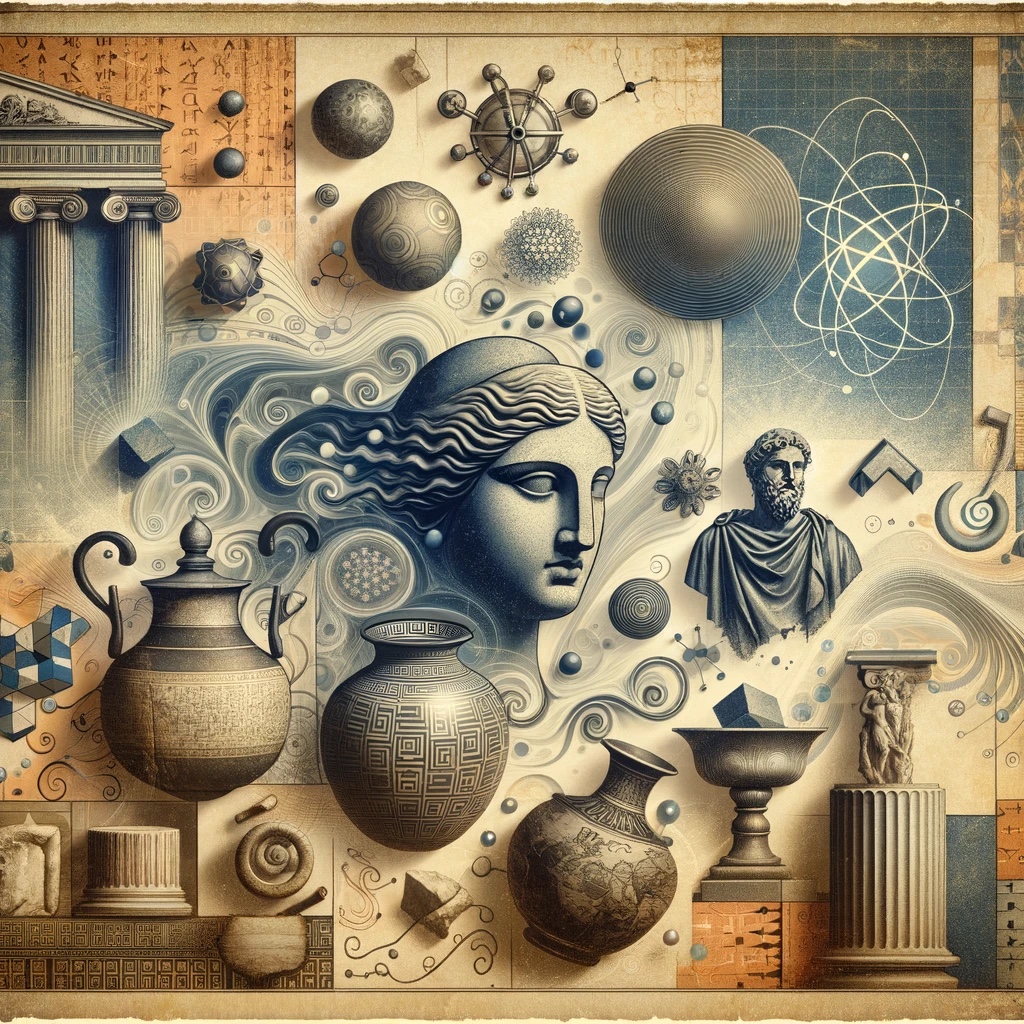
The classical world, with its rich tapestry of history, culture, and innovation, has always fascinated us. From the philosophical discourses in ancient Athens to the architectural marvels of Rome, this era laid the foundations of modern civilization. Yet, despite centuries of study, numerous aspects of this period remain shrouded in mystery. Quantum archaeology offers a new lens to examine these enigmas, transcending the limitations of traditional methods to unearth deeper truths about our classical heritage.
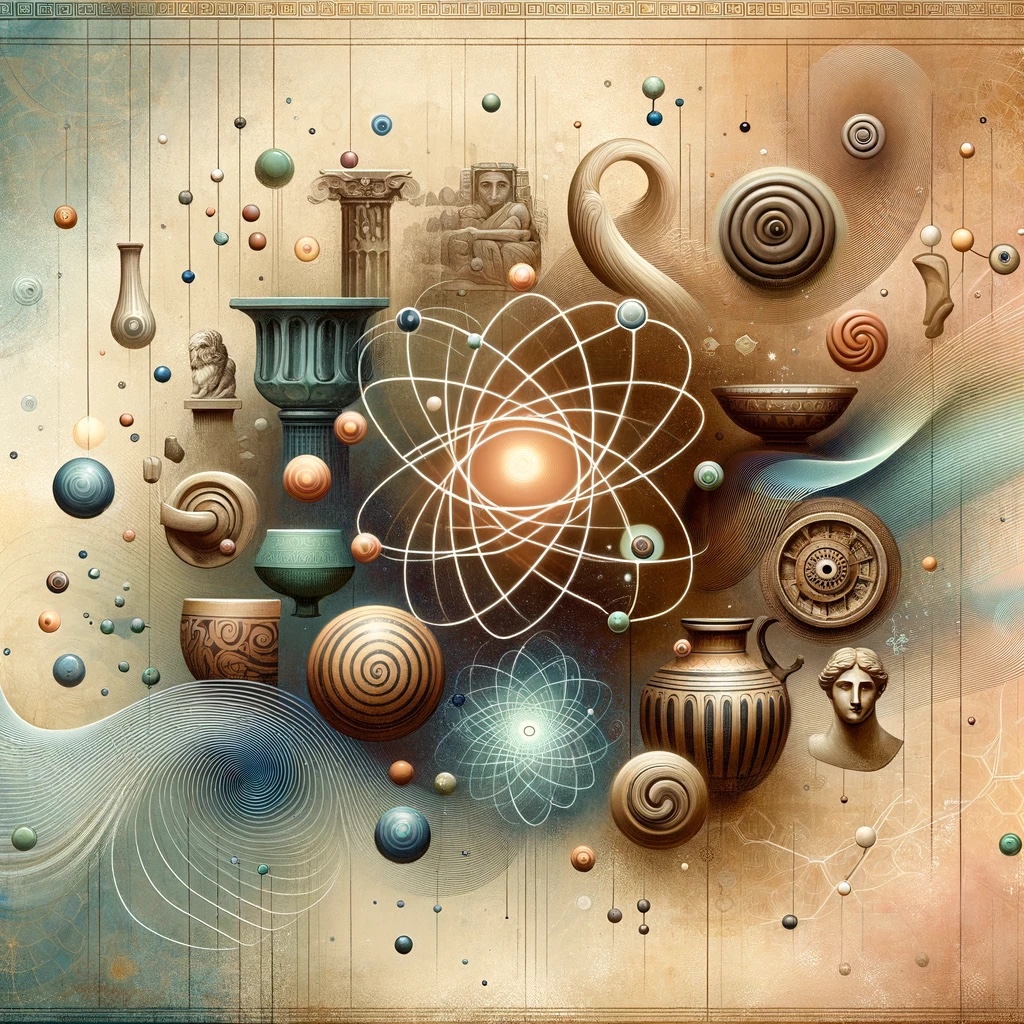
At the forefront of quantum archaeology is the challenge of piecing together incomplete historical narratives. The classical world left behind a fragmented record – broken sculptures, eroded inscriptions, and ruins that whisper tales of their former glory. Traditional archaeology has done much to reconstruct these stories, but quantum archaeology can take this further. By leveraging the principles of quantum mechanics, such as the probabilistic nature of particles and the concept of superposition, we can develop simulations and models that offer new insights into these incomplete narratives.
One of the pressing problems in classical archaeology is the degradation of ancient materials. Time has not been kind to parchment, papyrus, and even stone. Quantum archaeology could revolutionize the conservation and restoration of these materials. Quantum-level interventions might one day allow us to halt or even reverse the decay of these priceless artifacts, preserving them in a state closer to their original form.
Another area where quantum archaeology could make a significant impact is in deciphering lost languages and scripts. The classical world was a melting pot of languages and cultures, many of which have left behind texts that we are yet to fully understand. Quantum computing offers the potential to analyze these texts in new ways, using algorithms that can detect patterns and connections invisible to the human eye.
The classical world was also a time of immense social and political change, much of which remains poorly understood. Quantum archaeology can help us model and understand these societal shifts. By simulating different scenarios and variables, we can gain a better grasp of the social dynamics, trade networks, and political machinations of ancient civilizations.
Furthermore, quantum archaeology can offer new perspectives on the daily lives of people in the classical world. By analyzing artifacts and ruins at a quantum level, we can uncover details about diet, health, social structures, and even beliefs that traditional methods might miss. This approach can humanize our understanding of the past, bringing us closer to the individuals who lived, loved, and dreamed in the classical era.
However, quantum archaeology is not without its challenges. The field requires not only advancements in quantum computing and physics but also a multidisciplinary approach that includes historians, linguists, and classical scholars. Ethical considerations are also paramount, as this technology could potentially be used to alter or fabricate historical evidence.
In conclusion, quantum archaeology holds the promise of casting new light on the shadows of the classical world. By integrating the principles of quantum mechanics with the study of the past, we have the potential to solve longstanding mysteries, preserve our heritage, and deepen our connection with the ancient civilizations that shaped our world. As we venture further into this exciting field, we stand on the brink of a new era in our understanding of history, one that is as profound as it is promising.
 OLANREWAJU LASISI
Real investment is needed to speed up the process of resurrection.
LikeLike